Sign out

Prevention
You can do things to help prevent migraine headaches. Try these tips.
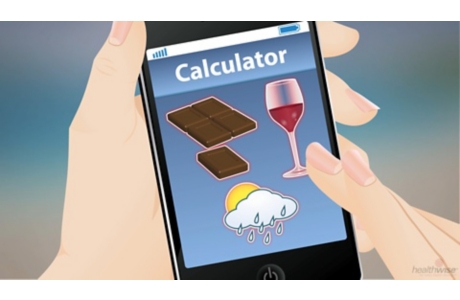
- Keep a daily headache diary.
It can help you find out what triggers your migraines.
- Avoid your migraine triggers.
Triggers include changes in daily routine, foods, hormones, medicines, lights, odors, or other things in the environment. Triggers add up. So the fewer triggers you have at one time, the better your chance of preventing a migraine.
- Live a healthy lifestyle.
- Get regular sleep.
- Eat healthy foods at regular times.
- Avoid alcohol and drugs.
- Avoid foods that may trigger your headaches.
- Get regular exercise.
But be careful to not push yourself too hard. It may trigger a headache.
- Take medicines that prevent migraines.
- Don't take medicine for headache pain too often.
Talk to your doctor if you are taking medicine more than 2 days a week to stop a headache. Taking medicine too often may cause medicine-overuse headaches.
- Find healthy ways to cope with stress.
Migraines are most common during or right after stressful times. Try finding ways to reduce stress like practicing mindfulness or deep breathing exercises.
- Ask your doctor about trying herbs and supplements.
Some people find that magnesium and riboflavin (vitamin B2) help prevent migraine headaches.
- Try acupuncture or biofeedback.
Some people find that these can help reduce how many migraines they have or how bad the migraines are.
Learn more
Watch



Exams and Tests
To diagnose migraines, your doctor will do an exam and ask questions about your personal and family history. Your doctor will ask how many headaches you have, how long they last, and what symptoms you have. There are no tests that can diagnose migraines.
Migraines can be hard to diagnose. Their symptoms are like those of other types of headaches. For example, many people have been diagnosed with sinus headaches when they actually have migraines.
It's likely that you are having migraine headaches if they happen often and interfere with your daily life.
Your doctor will decide if you need to have tests to find out if your headaches are caused by another health problem. You may have an MRI, a CT scan, or a lumbar puncture.
Learn more
Watch
Self-Care
There are some things you can do when you feel a migraine starting.
- Stop what you are doing, and take your medicine.
Don't wait for the migraine to get worse. Take your medicine exactly as your doctor told you to. Keep your medicine with you at all times so you are ready when a headache starts.
- Rest in a quiet, dark room until your headache is gone.
Close your eyes, and try to relax or go to sleep. Don't watch TV or read.
- Put a cold, moist cloth or cold pack on the painful area.
Leave it there for 10 to 20 minutes at a time. Put a thin cloth between the cold pack and your skin.
- Relax your muscles.
Have someone gently massage your neck and shoulders.
- Take pain medicines exactly as directed.
- If the doctor gave you a prescription medicine for pain, take it as prescribed.
- If you aren't taking a prescription pain medicine, ask your doctor if you can take an over-the-counter medicine.
- Don't take medicine for headache pain too often.
Talk to your doctor if you are taking medicine more than 2 days a week to stop a headache. Taking too much pain medicine can lead to more headaches. These are called medicine-overuse headaches.
Learn more
Watch

Medicines
Two kinds of medicines are used to treat migraines. There are medicines to stop a migraine and medicines to prevent migraines.
Finding the right mix of medicines for you may take some time. So work closely with your doctor to try different medicines and doses. In most cases, your doctor will first prescribe a medicine that causes the fewest side effects. Medicines may be prescribed based on your type of migraine.
Medicines can help you feel better. But they can also be dangerous, especially if you don't take them the right way. Be safe with medicines. Take them as prescribed by your doctor. Read and follow all instructions on the label.
Medicines to stop a migraine
These are sometimes called abortive medicines. They may be over-the-counter or prescription medicines. If you take the medicine at the first sign you're getting a migraine, you may stop the headache before it starts.
If your migraines are mild to moderate, you may need only an over-the-counter medicine to stop the pain. Most doctors recommend that you try these medicines first. That's because they may have fewer side effects than prescription medicines. But if they don't stop your headaches, your doctor may prescribe other medicine.
Your doctor may suggest that you take a mix of medicines to stop a headache. For example, you may take acetaminophen or naproxen along with a prescription medicine, such as a triptan.
Medicines used to stop a migraine include:
- Over-the-counter medicines. Examples include acetaminophen (Tylenol), ibuprofen (Advil, Motrin), and naproxen (Aleve). Some over-the-counter medicines combine acetaminophen, aspirin, and caffeine.
- Triptans (serotonin receptor agonists). Examples are sumatriptan and zolmitriptan.
- Ergotamine derivatives. An example is dihydroergotamine.
Medicines such as ubrogepant may be tried if you can't take other medicines or the medicines did not work.
Talk to your doctor if you are taking medicine more than 2 days a week to stop a headache. Taking too much pain medicine can lead to more headaches. These are called medicine-overuse headaches.
If you have nausea or vomiting during migraine attacks, your doctor also may prescribe medicine to help with these symptoms.
Medicines to prevent a migraine
These medicines are often called preventive medicines. You get most of them with a prescription, but some over-the-counter herbs and supplements may be tried too. You take these every day or whenever your doctor tells you to.
Medicines used to prevent migraines include:
- Anticonvulsants, such as topiramate.
- Antidepressants, such as amitriptyline.
- Beta-blockers, such as propranolol.
- CGRP antagonists, such as erenumab.
- Botulinum toxin, such as Botox. This is used for prevention if you have chronic migraines.
You may want to try medicine to prevent a headache if:
- You use medicines to stop headaches more than twice a week.
- Medicines to stop migraines aren't working well for you.
- You have four or more headaches a month that keep you from doing your daily activities.
- You have menstrual migraines.
- You have uncommon migraine symptoms. These may include a long period with aura or numbness during your headache.
Medicines to prevent migraines may cause side effects. Some of these side effects may last for as long as you take the medicine. Or they may go away within a few weeks. You may need to decide which bothers you more—the side effects of the medicine or your migraines.
Medicines may not prevent every migraine. So you may still need to take another kind of medicine that can stop a migraine after it has started. But prevention medicines can reduce how many migraines you get, reduce how long they last, and make your symptoms less severe.
Learn more
Watch
Current as of: December 20, 2023
Author: Healthwise Staff
Clinical Review Board
All Healthwise education is reviewed by a team that includes physicians, nurses, advanced practitioners, registered dieticians, and other healthcare professionals.