Sign out

Lowering Your Risk
There are lifestyle actions you can take to lower some of the risk factors for colorectal cancer. These actions include the following:
- Maintain a healthy weight.
- Be physically active.
- Eat healthy foods, including vegetables, fruits, and whole grains. Avoid eating a lot of red meat or processed meats.
- If you smoke, get help to quit.
- If you drink alcohol, limit how much you drink.
Learn more
Watch


Exams and Tests
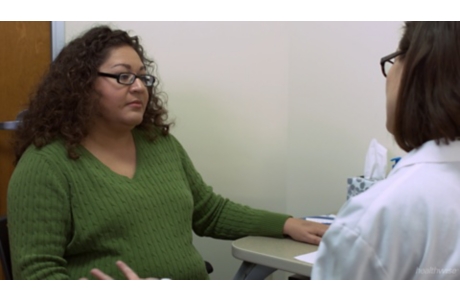
If your doctor thinks you may have colorectal cancer, your doctor will ask you questions about your medical history. You may also have a physical exam. Other tests may include:
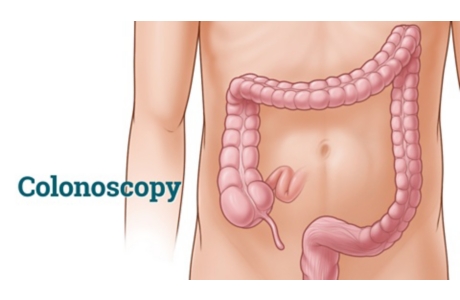
- A colonoscopy. Your doctor uses a lighted scope to view the inside of your entire colon.
- A biopsy. A sample of tissue taken from inside your colon. This may be done during your colonoscopy. Or a needle biopsy may be done to check for cancer in another part of your body.
- Blood tests, such as a complete blood count (CBC). These may be used to find the cause of symptoms like weakness, anemia, or weight loss.
- Imaging tests, such as a CT scan. These may be done to see if you have cancer in other places in your body.
Screening tests for colorectal cancer
Your risk for colorectal cancer gets higher as you get older. Experts recommend starting screening at age 45 for people who are at average risk.footnote 1
Talk with your doctor about your risk and when to start and stop screening. You may have one of several tests.
People who have an increased risk for colorectal cancer may need to be tested sooner or more often.
Screening tests for colorectal cancer include stool tests that check for signs of cancer in a stool sample. Tests like a sigmoidoscopy and colonoscopy use a lighted scope to view part or all of the colon. A CT colonography, also called virtual colonoscopy, uses X-rays to view the colon.
Genetic testing
Colorectal cancer genetic testing can tell you if you carry rare changed, or mutated, genes that can cause colorectal cancer. Although most people who get colorectal cancer do not have one of these mutated genes, having certain gene changes can increase your chance of getting colorectal cancer.
The most common genetic changes related to colorectal cancer are familial adenomatous polyposis (FAP) and Lynch syndrome. In these conditions, screening often starts sooner than age 40.
Your doctor may suggest genetic testing if your family history or your personal medical history puts you at an increased risk for colorectal cancer. If you have an increased risk, your doctor may also recommend you start cancer screening earlier than someone who has an average risk of cancer.
Learn more
Watch
Treatment Overview
Treatment for colorectal cancer is based on the stage and location of the cancer. It's also based on other things, such as your overall health. Most people have surgery to remove the cancer. Chemotherapy, radiation therapy, or both may also be used. In some cases, other treatments, such as targeted therapy, may be an option. A clinical trial may be a good choice.
Your doctor will talk with you about your options and then make a treatment plan.
Some people use complementary therapies along with medical treatment. Therapies like acupuncture or massage may help you cope with the symptoms and stress of having cancer. Talk with your doctor about any of these you would like to try.
Surgery
Most people have surgery. The type of surgery depends on the size and location of the cancer. The goal is to remove the cancer and a border of normal tissue (margin) around it. The doctor may also remove nearby lymph nodes to check them for cancer.
Types of surgery include:
- Surgery for small areas of cancer.
-
The doctor may do the surgery during a colonoscopy.
- Removing a small area of cancer in the colon or rectum is called local excision.
- Removing a polyp is called a polypectomy.
- Surgery for larger areas of cancer.
-
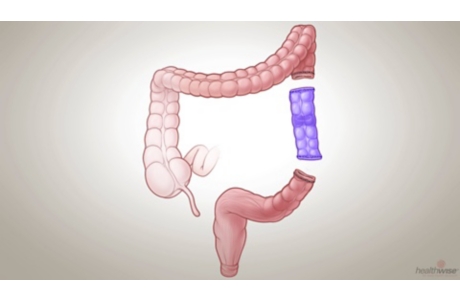
Most people have a type of surgery called a bowel resection. The doctor removes the part of the colon or rectum that contains the cancer. Then the healthy ends of the colon or rectum are sewn back together.
A bowel resection may be done through one cut (incision) in the belly. (This is called open surgery.) Or it may be done through several very small cuts. (This is called laparoscopic surgery.) Your doctor can help you learn which type of surgery is an option for you.
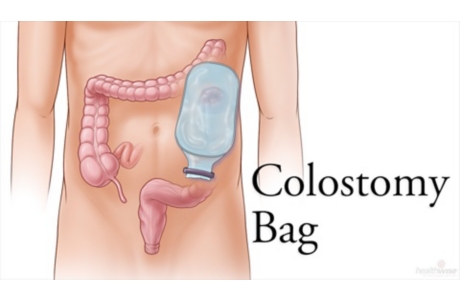
Sometimes after a bowel resection, the two ends of the colon or rectum can't be sewn back together. When this happens, a colostomy is done. In most cases, it is needed only for a short time to let the bowel heal after surgery. If you need a colostomy, you will get help from a nurse who specializes in ostomy care.
Chemotherapy
These medicines kill fast-growing cells. These include cancer cells and some normal cells. In some cases, the medicines are used to shrink a tumor before surgery. They may also be given after surgery to destroy any cancer cells that remain.
These medicines may be given in different ways. Often they are put into a vein. They may also be taken as pills or given as a shot.
Chemotherapy and radiation therapy may be given together to treat some types of colorectal cancer. This is called chemoradiation.
Radiation therapy
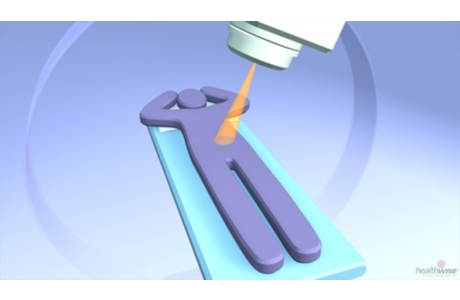
This uses high-dose X-rays to destroy cancer cells and shrink tumors. It may be combined with chemotherapy or given during surgery. Radiation therapy is a common treatment for rectal cancer. It is used less often to treat colon cancer.
Radiation therapy may be given by a machine outside the body (external radiation). Or it may be given by placing substances inside the body (internal radiation).
Other treatments
Other treatments may be an option. They are used most often if the cancer has spread to other parts of the body (metastatic cancer) or has come back after treatment (recurrent cancer). Options may include:
- Targeted therapy.
-
These medicines target cancer cells and may cause less harm to normal cells. They help keep cancer from growing or spreading. If the cancer has tumor markers (biomarkers) that can be targeted, you may be given one or more of these medicines.
- Immunotherapy.
-
This treatment helps your immune system fight cancer. It may be given in several ways.
- Thermal ablation.
-
This uses extreme cold or heat to destroy tumors. Cryosurgery (or cryotherapy) is a type of ablation that uses cold. Radiofrequency ablation uses heat. Ablation may be used when tumors are small or surgery is not a good choice.
Clinical trials
Clinical trials are an option for many people who have colorectal cancer. These research studies test promising new treatments or improvements to existing treatments. People in clinical trials may have access to the latest treatments before they're available to others.
Your medical team can tell you if there's a clinical trial that might be right for you.
Learn more
Watch

Supportive Care
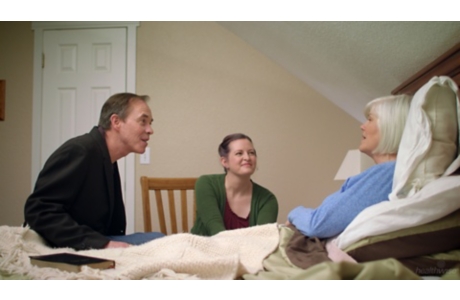
Palliative care is a type of care for people who have a serious illness. It's different from care to cure your illness, called curative treatment. Palliative care provides an extra layer of support that can improve your quality of life—not just in your body, but also in your mind and spirit. Sometimes palliative care is combined with curative treatment.
The kind of care you get depends on what you need. Your goals guide your care. You can get both palliative care and care to treat your illness. You don't have to choose one or the other.
Palliative care can help you manage symptoms, pain, or side effects from treatment. It may help you and those close to you better understand your illness, talk more openly about your feelings, or decide what treatment you want or don't want. It can also help you communicate better with your doctors, nurses, family, and friends.
End-of-life care
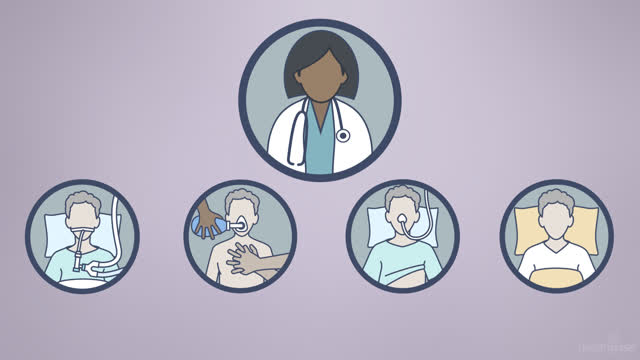
It can be hard to live with an illness that cannot be cured. But if your health is getting worse, you may want to make decisions about end-of-life care. Planning for the end of your life does not mean that you are giving up. It is a way to make sure that your wishes are met. Clearly stating your wishes can make it easier for your loved ones. Making plans while you are still able may also ease your mind and make your final days less stressful and more meaningful.
Learn more
Watch
Self-Care
There are things you can do at home to help manage the symptoms of cancer and the side effects of treatment. Your doctor may also give you medicines to help with certain side effects.
- Take your medicines exactly as prescribed. Call your doctor if you think you are having a problem with your medicine.
- Eat healthy food. If you do not feel like eating, try to eat food that has protein and extra calories to keep up your strength and prevent weight loss. Drink liquid meal replacements for extra calories and protein.
- Get some physical activity every day, but do not get too tired.
- Take steps to manage your stress, such as learning relaxation techniques. To also help reduce stress, get enough sleep, eat a healthy diet, and take time to do things you enjoy.
- Think about joining a support group. Or discuss your concerns with your doctor or a counselor.
Learn more
- Cancer: Controlling Cancer Pain
- Cancer: Controlling Nausea and Vomiting From Chemotherapy
- Cancer: Home Treatment for Constipation
- Cancer: Home Treatment for Diarrhea
- Cancer: Home Treatment for Fatigue
- Cancer: Home Treatment for Mouth Sores
- Cancer: Home Treatment for Pain
- Cancer: Home Treatment for Sleep Problems
- Cancer Support: Managing Stress
- Eating Well During Cancer Treatment
Watch


Complementary Treatments
Some people use complementary therapies along with medical treatment. They may help relieve the symptoms and stress of cancer or the side effects of cancer treatment. Therapies that may be helpful include:
- Acupuncture to relieve pain and other symptoms.
- Meditation or yoga to relieve stress.
- Massage and biofeedback to reduce pain and tension.
- Breathing exercises to help you relax.
Talk with your doctor about any of these options you would like to try. And let your doctor know if you are already using any complementary therapies. They are not meant to take the place of standard medical treatment. But they may help you feel better and cope better with treatment.
Learn more
Watch

Getting Support
Relationships take on new importance when you're faced with cancer. Your family and friends can help support you. You may also want to look beyond those who are close to you.
- Reach out to your family and friends.
Remember that the people around you want to support you, and asking for help isn't a sign of weakness.
- Tell them how they can help.
Your friends and family want to help, but some of them may not know what to do. It may help to make a list. For example, you might ask them to:
- Run errands or pick up kids.
- Deliver meals or groceries to your home.
- Drive you to appointments.
- Go to doctor visits with you and take notes.
- Look for help from other sources.
Places to turn for support include:
- Counseling.
- Counseling can help you cope with cancer and the effect cancer is having on your life. Different types of counseling include family therapy, couples therapy, group counseling, and individual counseling.
- Your health care team.
- Your team should be supportive. Be open and honest about your fears and concerns. Your doctor can help you get the right medical treatments, including counseling.
- Spiritual or religious groups.
- These groups can provide comfort and may be able to help you find counseling or other social support services.
- Social groups.
- Social groups can help you meet new people and get involved in activities you enjoy. Focus on activities that bring you comfort, such as spending time outdoors or being with children.
- A cancer support group.
-
Cancer support groups offer support and practical advice. You can hear others talk about:
- What it's like to live with cancer.
- Practical ways to manage your cancer treatment and its side effects.
- Ways to cope with your illness.
Learn more
Watch
Current as of: October 25, 2023
Author: Healthwise Staff
Clinical Review Board
All Healthwise education is reviewed by a team that includes physicians, nurses, advanced practitioners, registered dieticians, and other healthcare professionals.