Most headaches are tension headaches. Some people get them often, especially if they have a lot of stress in their lives.
This kind of headache may cause pain or a feeling of pressure all over your head. Sometimes it's hard to know where the center of the pain is.
If you get a lot of these kind of headaches, it can help to talk to your doctor. You can work together to find the treatment that works best for you.
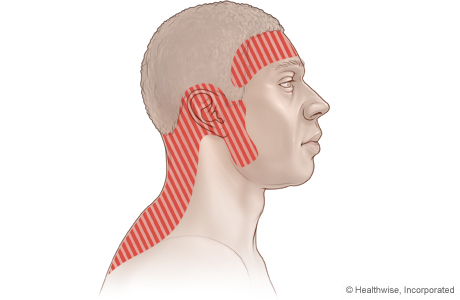
Where can they cause pain?
Tension headaches can cause pain:
In your upper back and neck.
At the base of your head.
Around your ears.
In your jaw.
Above your eyes.
What causes tension headaches?
The cause of tension headaches isn't clear. A change in brain chemistry may cause them. They can be brought on—or triggered—by stress, hunger, being tired, and not sleeping enough.
What are the symptoms?
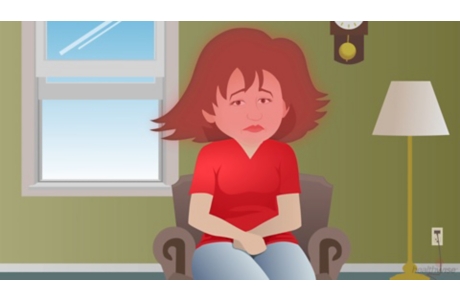
Symptoms of tension headaches include a constant headache, usually with pain or pressure on both sides of your head. You may feel tightness around your forehead that feels like a "vise grip." You may also have aching pain at your temples or the back of your head and neck. The pain usually isn't severe.
How are they diagnosed?
A doctor can usually diagnose tension headaches by doing a physical exam and asking questions about how often the headaches happen, what the symptoms are, and about your overall health and lifestyle. In some cases, imaging and other tests may be done to rule out other health problems. But this isn't common.
How are tension headaches treated?
You can treat most tension headaches by taking over-the-counter pain medicines. Prescription medicines may help if you keep having headaches or if your headaches are very bad. Avoiding the things that trigger your headaches can also help.
Health Tools
Health Tools help you make wise health decisions or take action to improve your health.
Actionsets are designed to help people take an active role in managing a health condition.
The cause of tension headaches isn't clear. In the past, doctors believed that tension or spasms of the muscles of the neck, face, jaw, head, or scalp played a role in causing these headaches. Now they think a change in brain chemistry may also help cause them.
Tension headaches can be brought on—or triggered—by things such as stress, hunger, being tired, and not sleeping enough. They may come on suddenly or slowly.
Chronic tension headaches are headaches that keep coming back. They can occur along with other health problems such as anxiety or depression.
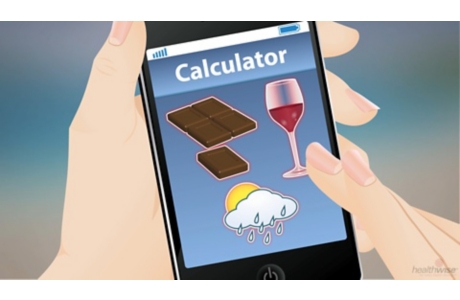
Tension headache triggers
Some common triggers for tension headaches are physical and emotional stress.
Sometimes stress is caused by conditions such as anxiety and depression. If you think you may have anxiety or depression, talk with your doctor. If you treat these conditions, you may get tension headaches less often.
If you have tension headaches, ask yourself if you are:
Having conflicts within your family or at work or school.
Not getting enough sleep or relaxation.
Hungry.
Other possible tension headache triggers include:
Eyestrain from working at a computer.
Neck strain from poor posture, your work environment, or injury.
Strain in the chewing muscles of your jaw. This can happen if you grind or clench your teeth.
Muscle tension in your shoulders and upper back.
Prevention
Here are some things you can try to help prevent tension headaches.
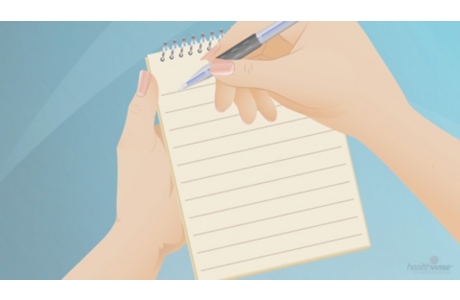
Keep a headache diary. This can help you and your doctor figure out what is triggering your headaches. If you can avoid your triggers, you may be able to prevent headaches.
Find healthy ways to deal with stress. Headaches are most common during or right after stressful times.
Get plenty of exercise every day. This can help with stress and muscle tension.
Get regular sleep.
Eat healthy foods. Try to eat regularly. If you wait too long to eat, it can trigger a headache.
Try to use good posture and keep the muscles of your jaw, face, neck, and shoulders relaxed.
If you use a computer a lot, give your eyes a break by blinking more and sometimes looking away from the screen. Use glasses or contacts if you need them. And check that your monitor is about an arm's distance away.
A constant headache that doesn't throb or pulse. The pain or pressure is usually on both sides of the head.
Tightness around the forehead that may feel like a "vise grip."
Aching pain at the temples or the back of the head and neck.
Unlike migraines, tension headaches usually don't occur with nausea, vomiting, or feeling sensitive to both light and noise. But light or noise could make the headache worse. Pain from a tension headache usually isn't severe and doesn't get in the way of a person's school, work, or social life. But for some people, the pain is very bad or lasts a long time.
What Happens
Tension headaches may come on suddenly or slowly. They can last from 30 minutes to 7 days. They tend to come back, especially if a person is under stress.
If a person has a headache on 15 or more days each month over a 3-month period, they may have chronic tension headaches.
Most can be treated with over-the-counter pain medicines. Prescription medicines may help if headaches happen often or if the headaches are very bad.
When to Call a Doctor
Call 911 or other emergency services if:
You have symptoms of a stroke, such as:
Sudden numbness, tingling, weakness, or loss of movement in your face, arm, or leg, especially on only one side of your body.
Sudden vision changes.
Sudden trouble speaking.
Sudden confusion or trouble understanding simple statements.
Sudden problems with walking or balance.
A sudden, severe headache that is different from past headaches.
Call your doctor now or go to the emergency room if:
You have a fever and a stiff neck.
You have new nausea and vomiting, or you cannot keep down food or fluids.
Watch closely for changes in your health, and be sure to contact your doctor if:
Your headache wakes you up.
Your headaches get worse, happen more often, or change in some way.
You have new symptoms.
You have any problems with your medicine, your medicine isn't helping your headaches, or you are using your medicine more often than prescribed.
Your headaches occur after physical exercise, sexual activity, coughing, or sneezing. Or your pain gets better or worse if you lie down or stand up.
Your life is disrupted by your headaches. For example, you often miss work, school, or other activities.
You are not getting better as expected.
Watchful waiting
Watchful waiting is a wait-and-see approach. If your headache gets better on its own, you won't need treatment. If it gets worse or you get headaches often, you and your doctor will decide what to do next.
Watchful waiting and using over-the-counter pain medicines work well if your tension headaches don't keep you from doing the things you want to do. But if your headaches are disrupting your life, talk to your doctor about other treatments that you could try.
Exams and Tests
A doctor can usually diagnose tension headaches by doing a physical exam and asking questions, such as how often the headaches happen and what the symptoms are. The doctor will also ask about your overall health and lifestyle.
It can be hard to know which type of headache you have. That's because different types can have the same symptoms. But the treatments may be different, so it's important to find out which type you have.
In some cases, your doctor may order tests to find out if a health problem is causing them. These tests may include an MRI or a CT scan.
In very rare cases, headaches can be caused by more serious health problems (such as brain tumors or aneurysms). But most headaches aren't caused by anything serious. So you probably won't need to have tests.
You can treat most tension headaches yourself. You can take over-the-counter medicines, try to avoid things that trigger your headaches, and reduce your stress. If you keep having headaches or your headaches are very bad, talk to your doctor about prescription medicines to help prevent them.
You may want to try medicine to prevent getting a headache if:
You use medicines to stop your headaches more than 3 times a week.
Medicines to stop headaches aren't working well for you.
Even with treatment, you will most likely still get some tension headaches. But you probably will get them less often. And they may hurt less when you do get them.
Self-Care
Rest in a quiet, dark room. Put a cool cloth on your forehead. Close your eyes, and try to relax or go to sleep. Do not watch TV, read, or use the computer.
Use a warm, moist towel or a heating pad set on low on your shoulder and neck muscles.
Have someone gently massage your neck and shoulders.
Be safe with medicines. Read and follow all instructions on the label.
If you are not taking a prescription pain medicine, ask your doctor if you can take an over-the-counter medicine.
Talk to your doctor about how often to take medicine to treat your headache. If you take it too often, it can lead to more headaches.
If you get a headache, stop what you are doing and sit quietly for a moment. Close your eyes and breathe slowly.
Pay attention to any new symptoms you have when you have a headache. These include a fever, weakness or numbness, vision changes, or confusion. They may be signs of a more serious problem.
Your doctor may recommend medicine to stop or to prevent tension headaches.
The type of tension headache you have may help your doctor decide which drug to prescribe. You may have to try several different drugs or types of drugs before you find the one that is right for you. Make sure to tell your doctor how well a drug stops your headaches.
You might need to take only an over-the-counter medicine for pain. They usually have fewer side effects than prescription drugs. Always be safe with medicines. Read and follow all instructions on the label.
The medicine that you take may cause side effects. Some side effects may last for a few weeks. Others may last for as long as you take the medicine. Certain pain medicines can cause a bad reaction if you take them with other medicines. Before you start to take pain medicines, be sure to let your doctor know about all of the drugs you take. This includes over-the-counter medicines and complementary treatments (such as herbs).
Over-the-counter drugs to stop headaches
Medicines to stop a headache after it starts include:
Acetaminophen.
Aspirin.
Ibuprofen.
Naproxen.
Medicine that combines aspirin, acetaminophen, and caffeine.
Talk to your doctor if you are taking medicine more than 2 days a week to stop a headache. Taking too much pain medicine can lead to more headaches. These are called medicine-overuse headaches.
Prescription drugs to prevent headaches
Your doctor may recommend that you take a prescription medicine every day to prevent headaches. You may want to take this medicine if:
Over-the-counter medicines don't work to stop your headaches.
You take over-the-counter medicines to stop headaches more than 3 times a week.
You get a headache more than 15 days a month.
Medicines used to prevent tension headaches include:
Some people find that some non-medicine treatments can help stop a tension headache or prevent one.
If you decide to try one or more of these treatments, make sure that your doctor knows. The doctor may have advice on how to use them safely. Some non-medicine treatments for headaches include:
Acupuncture. This involves putting very thin needles into the skin at certain points on the body. Studies show that acupuncture can help prevent tension headaches.
Biofeedback. This is a relaxation method to help you learn to control a body function that you normally don't control, such as muscle tension.
Cognitive behavioral therapy or problem-solving therapy. Counseling with these methods can help with tension headaches.
Meditation. This can produce a state of relaxation that reduces heart rate, slows breathing, and lowers blood pressure.
Peppermint oil. It can be rubbed on the forehead and temples. Some people find it helpful.
Transcutaneous electrical nerve stimulation (TENS). This treatment uses mild electrical current to treat pain. It may help reduce headache pain.
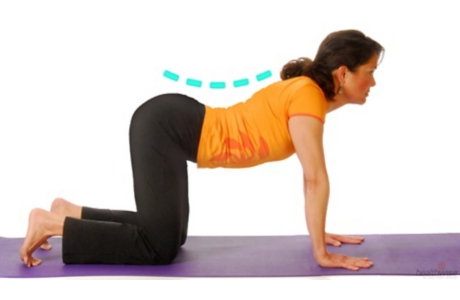
Yoga. Hatha yoga includes meditation and exercises to help you improve flexibility and breathing, decrease stress, and maintain health.
Author: Healthwise Staff Clinical Review Board All Healthwise education is reviewed by a team that includes physicians, nurses, advanced practitioners, registered dieticians, and other healthcare professionals.
Clinical Review Board All Healthwise education is reviewed by a team that includes physicians, nurses, advanced practitioners, registered dieticians, and other healthcare professionals.
Clinical Review Board All Healthwise education is reviewed by a team that includes physicians, nurses, advanced practitioners, registered dieticians, and other healthcare professionals.
This information does not replace the advice of a doctor. Healthwise, Incorporated disclaims any warranty or liability for your use of this information. Your use of this information means that you agree to the Terms of Use and Privacy Policy. Learn how we develop our content.
The Health Encyclopedia contains general health information. Not all treatments or services described are covered benefits for Kaiser Permanente members or offered as services by Kaiser Permanente. For a list of covered benefits, please refer to your Evidence of Coverage or Summary Plan Description. For recommended treatments, please consult with your health care provider.


 Sign out