Sign out

Overview
When you are stung by an insect, poisons and other toxins enter your skin. It's normal to have some swelling, redness, pain, and itching around the sting. But you may have an allergic reaction if your immune system reacts strongly to allergens in the sting.
You may not have a severe allergic reaction the first time you are stung. But even if your first reaction to a sting is mild, allergic reactions can get worse with each sting. Your next reaction may be more severe or life threatening.
An allergic reaction occurs when your immune system reacts strongly to the allergens in the sting.
A few types of stinging insects cause most allergic reactions. They are:
- Bees.
- Wasps.
- Hornets.
- Yellow jackets.
- Fire ants.
Symptoms of an allergic reaction
Symptoms of an allergic reaction can range from mild to severe.
- Mild reaction.
-
A mild reaction may cause:
- Redness, pain, and swelling around the sting.
- Itching around the sting or anywhere on your body.
- Large, local reaction.
-
A large, local reaction may cause the same symptoms as a mild reaction, plus:
- Redness and swelling that affects an entire arm, leg, or large part of your body.
- Swelling that continues to increase for up to 48 hours.
A large local reaction can take up to 10 days to go away.
- Anaphylaxis
- Anaphylaxis is a severe life-threatening reaction that requires emergency treatment. It can cause hives, confusion, trouble breathing, severe belly pain, nausea, vomiting, diarrhea, swelling of the tongue, throat, or lips, or other symptoms.
Testing for allergies
Your doctor may do a physical exam and ask you questions about your symptoms and past health. Your doctor also may want you to have allergy tests after you get better from the allergic reaction. Allergy tests, such as skin-prick tests or blood tests, can help you find out which types of insect stings you are most allergic to.
Treating insect stings
If you are stung, stay as calm and quiet as you can. Then move away from the insect and leave the area, because the nest may be close by.
Remove the stinger from your skin. It may be best to scrape or flick the stinger off your skin—squeezing or gripping the stinger to pull it out may inject more venom into your wound. Then treat the insect sting based on the type of reaction you have.
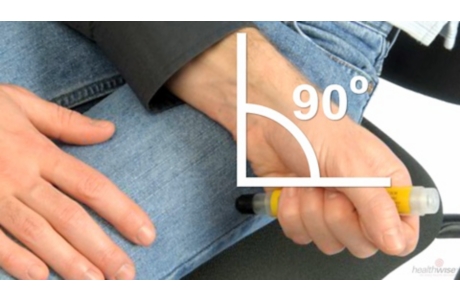
If you or your child has severe reactions, your doctor may prescribe an epinephrine shot that you keep with you or your child at all times. Teach others, such as teachers, friends, or coworkers, what to do if you're stung and how to give the shot. Also, be sure to wear a medical alert bracelet or other jewelry that lists your allergies. During an emergency, these can save your life.
- Treatment for a severe reaction.
-
For a severe reaction, such as hives, confusion, trouble breathing, severe belly pain, nausea, vomiting, diarrhea, or swelling of the tongue, throat, or lips:
- Give yourself an epinephrine shot in your thigh muscle.
- Call 911 and go to the emergency room, even if you feel better.
- Take an oral antihistamine.
- Treatment for a mild or large local reaction.
-
For a mild or large local reaction, you can typically treat it at home.
- Use an ice pack to reduce swelling.
- Take an over-the-counter pain reliever, such as acetaminophen (Tylenol, for example) or ibuprofen (Advil, for example).
- Take an over-the-counter antihistamine, such as fexofenadine (Allegra) or loratadine (Claritin), to help calm the itching or swelling. Be safe with medicines. Read and follow all instructions on the label.
You may also want to try allergy shots, called immunotherapy, to help prevent worse allergic reactions in the future.
Related Information
Credits
Current as of: July 10, 2023
Author: Healthwise Staff
Clinical Review Board
All Healthwise education is reviewed by a team that includes physicians, nurses, advanced practitioners, registered dieticians, and other healthcare professionals.
Current as of: July 10, 2023
Author: Healthwise Staff
Clinical Review Board
All Healthwise education is reviewed by a team that includes physicians, nurses, advanced practitioners, registered dieticians, and other healthcare professionals.